A few weeks ago we finished cleaning up a WordPress site we host for a law firm. Three separate cleanups had already declared it healthy. A well-known security plugin had scanned it and reported success. The site had been quietly hacked for 37 days, and on the day someone finally caught it, it was still serving a Turkish online-casino network to Google while showing the firm’s clients a perfectly normal homepage.
I want to show you what was actually on that server, because there’s a question I keep hearing from smart people who run good businesses: “We’ve got AI tools now. Do we even still need a security person?” This story is the clearest answer I have.

“But we’re on managed WordPress hosting.”
So was this site. If you’re on WP Engine, Kinsta, or any of the good managed hosts, that buys you real things: fast servers, backups, a hardened platform. What it does not buy you is immunity from an attacker who is already inside your WordPress install with a valid admin login.
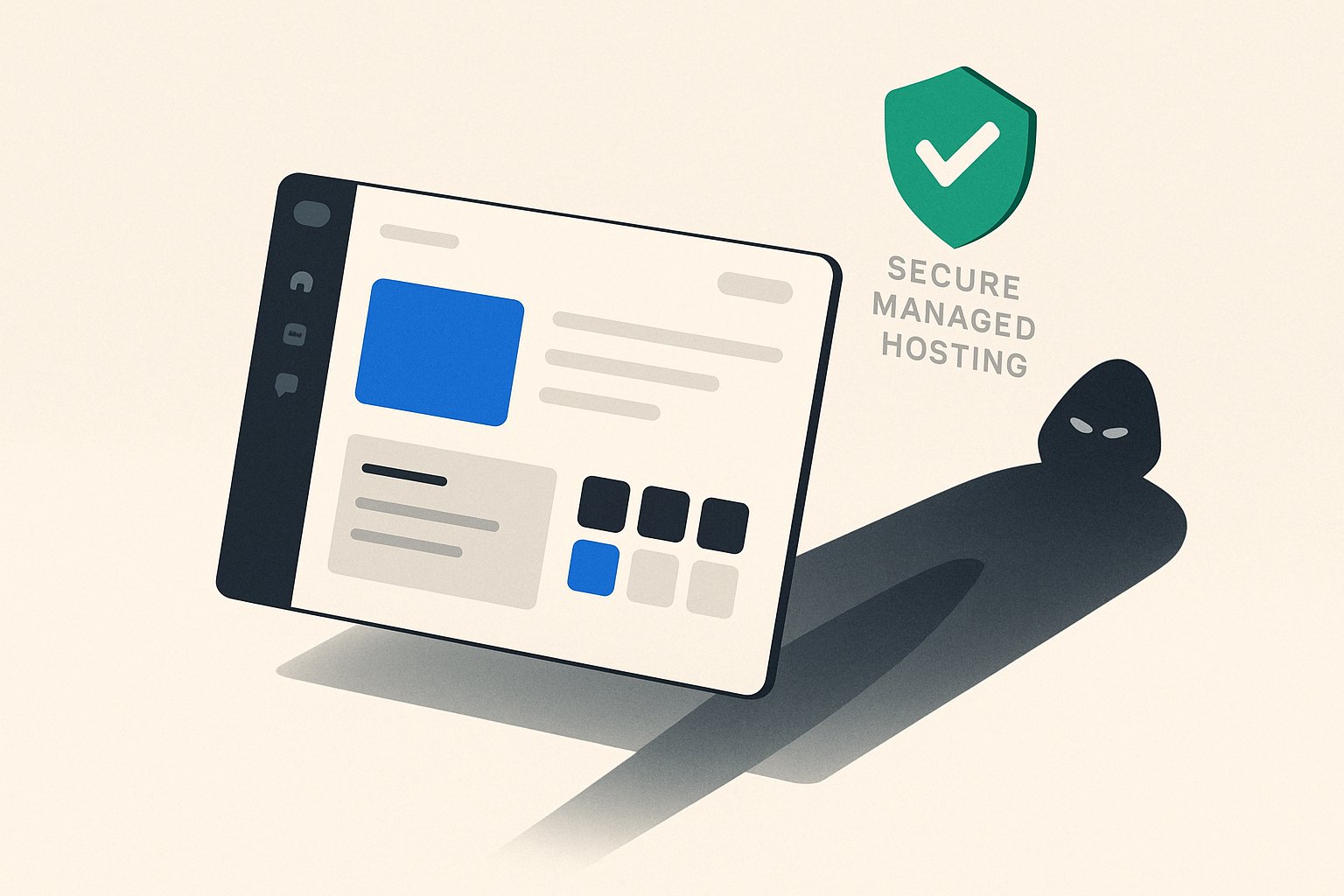
A green “secure hosting” badge protects the building. It says nothing about who already has a key to your apartment. That gap is exactly where this firm got hit.
How it hid in plain sight
Every one of these was engineered to disappear from the WordPress admin and from signature scanners. This is what “clean” was hiding.

A self-resurrecting admin

Passwords mailed to the attacker

Casino spam, shown only to Google

The ‘update bug’ was a lock

A plugin that erased itself

A new ‘owner’ on Google
Why the tools missed it (and why AI would too)
A scanner — including an AI-powered one — is fundamentally a pattern-matcher. It is brilliant at finding what it has been trained or signatured to recognize. The plugin on this site did its job: it matched a known signature and cleaned it.
But the person who broke in was not producing known patterns. His entire job was to make himself invisible to them — hiding the admin from the exact list the tools read, using legitimate WordPress functions with malicious arguments so nothing tripped a signature, naming a plugin so it would never show up on the Plugins screen.
A tool answers one question: “does this match something bad I already know about?” An adversary’s whole job is to make the answer be “no.”
AI gives you leverage. It does not give you accountability. When something invisible is costing a business its reputation, “the scanner came back green” is not a thing you can stand behind. A person who has seen the inside of a breach is.
The thing that found this hack was not a better scan. It was a person looking at a clean-looking site and asking a different question: if I wanted to own this server and survive a cleanup, where would I hide? Then going under the dashboard, into the files and the database, to look. AI was genuinely useful in that work — the same way a flashlight is useful. But the flashlight does not decide to go down to the basement, and it does not stake its name on the house being safe afterward. A person does both.
What “covered” actually looks like

Someone looks below the dashboard

Someone thinks like an attacker

Someone is accountable to you
Use every tool you can get. Then put a human who has been through this on top of them. That combination is not the expensive old way — it is the only thing that caught a hack three automated cleanups walked right past.