

Everything Is a Machine Connected to Other Machines
Deleuze’s core insight: reality isn’t made of things — it’s made of connections between things. Everything is a machine that connects to other machines through flows. Value isn’t created by individual components — it emerges from how machines connect and share flows of information, energy, or materials. In modern terms, think of data flowing through Slack channels — each message, each notification, each automated alert is a flow connecting one machine (a person, a system, a process) to another.
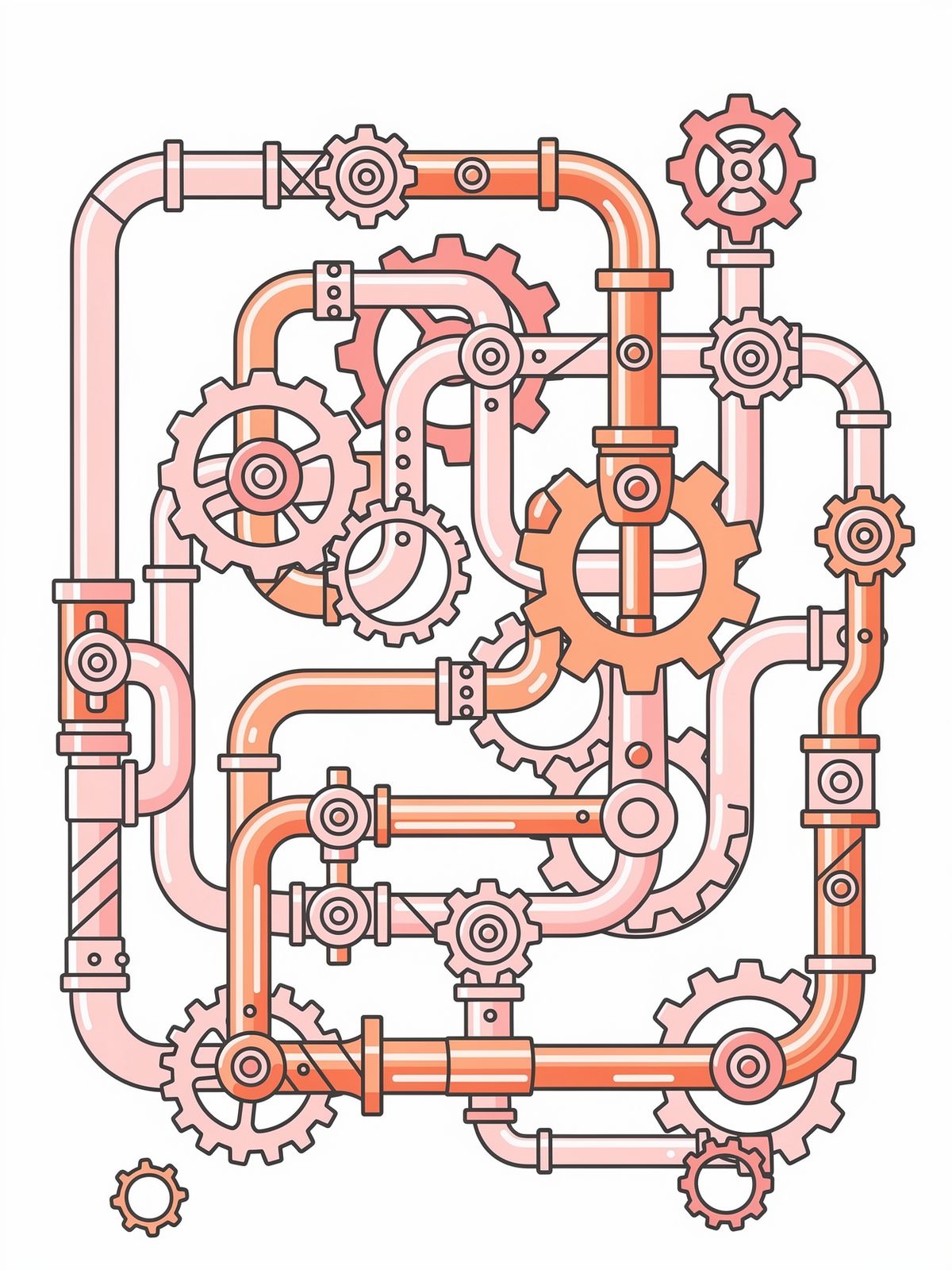
Flows and Interruptions: How Work Actually Happens
In Deleuze’s framework, production results from two forces working together. This maps perfectly to how modern workflows operate.

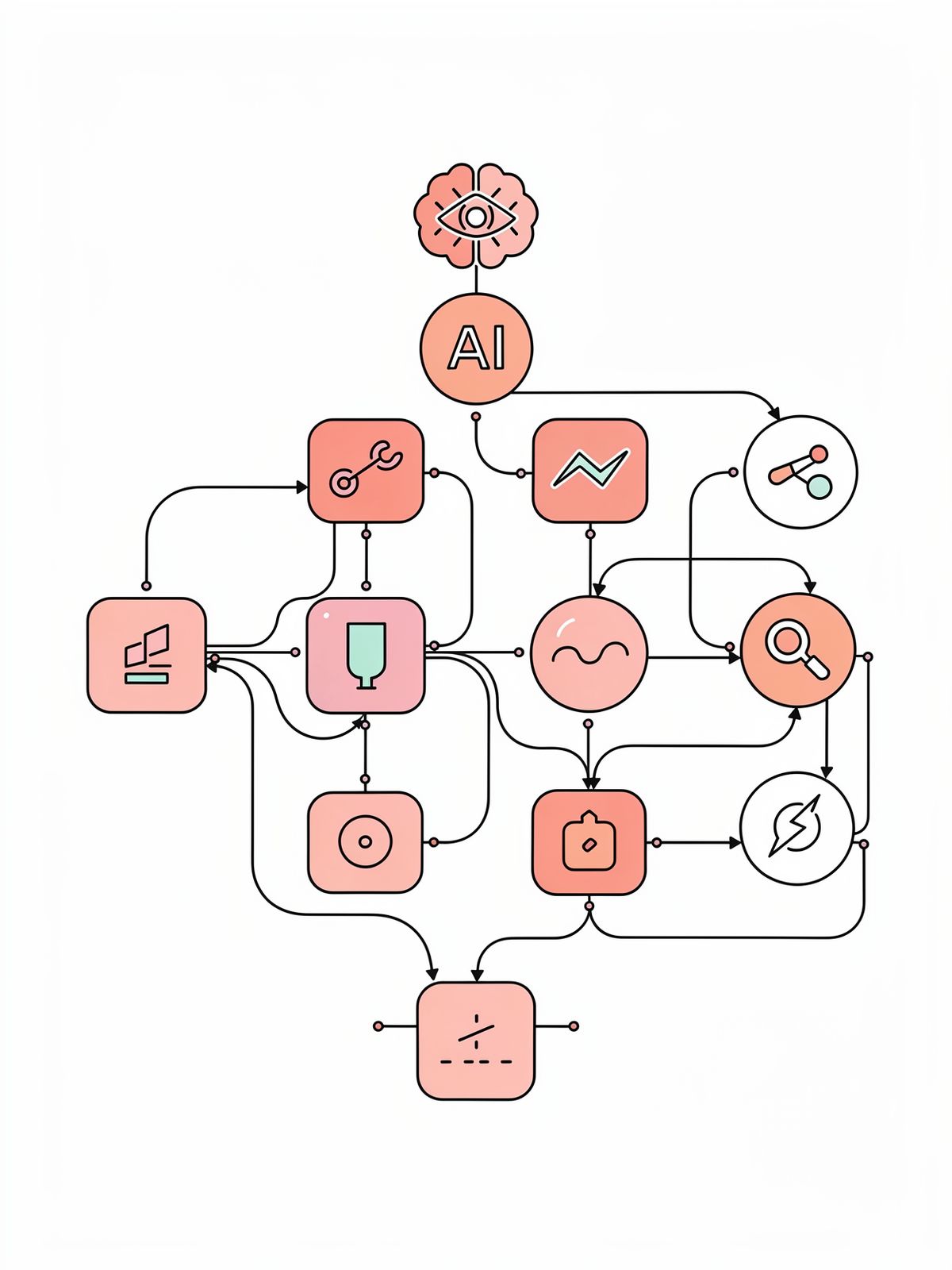
AI on Automation Rails: The Desiring Machine Approach
The real breakthrough happens when you combine AI’s pattern-matching power with structured automation’s reliability. But here’s the counterintuitive insight from Deleuze: the interruptions matter as much as the flows.
AI without structure is a brainstorming session that never ends. Structure without AI is a machine running the same program regardless of what it encounters. Together, they create what Deleuze would recognize as a properly functioning desiring machine — one that produces, connects, and creates value.
Assemblages: Why Your Tech Stack Is Already a Philosophy
Deleuze called complex combinations of machines “assemblages” — collections of heterogeneous elements that function together, even though they weren’t designed as a unified system.
Sound familiar? That’s literally what every modern business tech stack is. Your CRM, email platform, project management tool, payment processor, and communication apps weren’t designed to work together.
But through workflow automation, they become an assemblage — a functioning whole greater than its parts. The most powerful assemblage we’ve found: Slack → n8n → your internal systems.
Slack is the interface layer (The Last Layer), n8n is the orchestration engine, and your existing tools provide the data and actions. Together, they form an assemblage that’s more useful than any single platform.
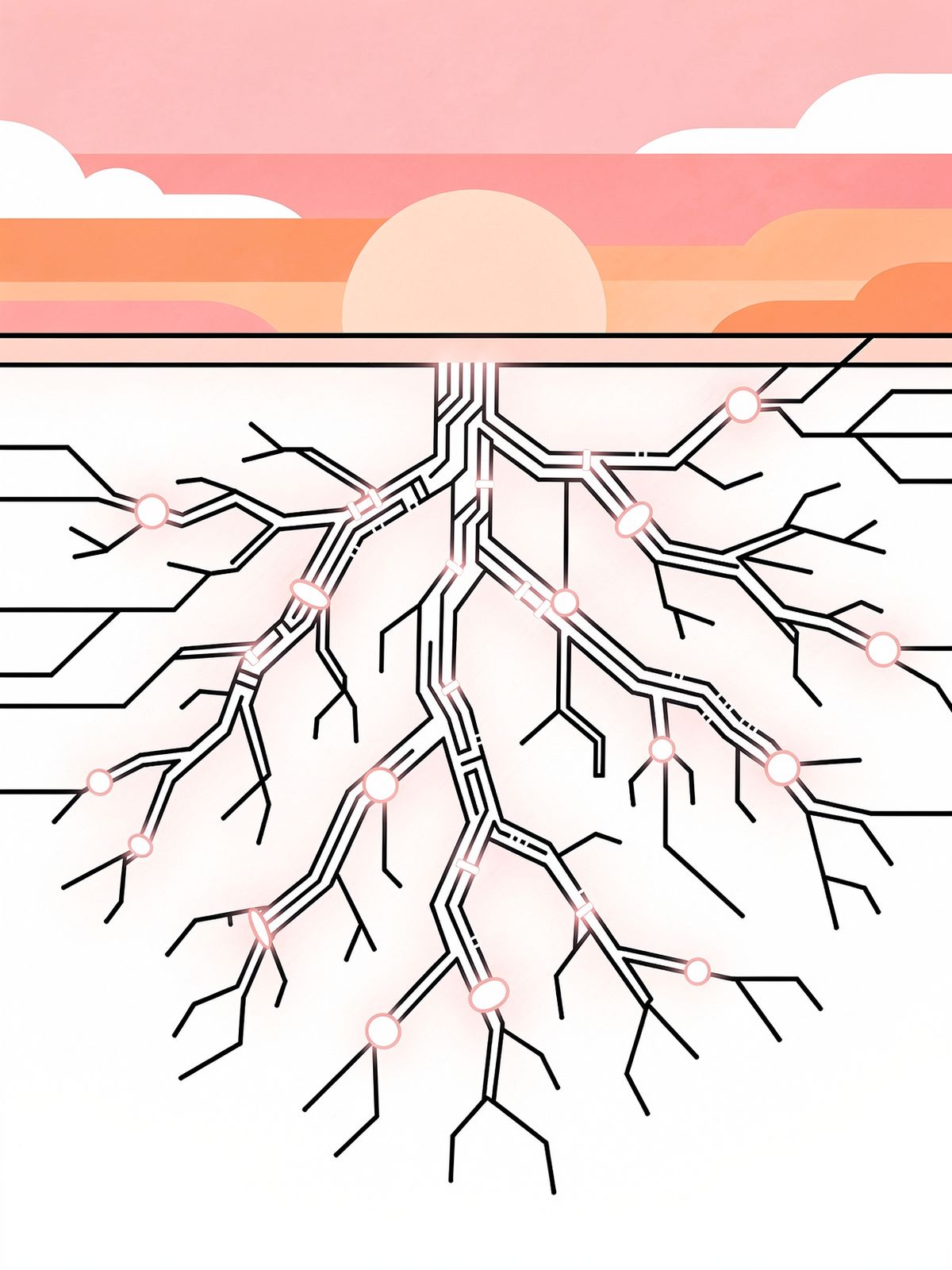
Rhizomatic Growth: Why the Best Automation Evolves
Deleuze’s concept of the rhizome — a root system that grows in any direction, connecting any point to any other — perfectly describes how automation should scale in your business.
Traditional approaches try to build automation top-down: plan everything, implement everything, then optimize. But the most successful automation programs we’ve built grow rhizomatically — starting with one connection, proving value, then branching organically. This is exactly how The Last Layer works: start with one Slack app that solves one painful problem, then let the team discover what else is possible.
Real Desiring Machines We’ve Built
These aren’t theoretical examples. These are actual automation assemblages our team has designed and deployed — each one following The Last Layer pattern of putting the interface where the team already lives:



What Deleuze Got Right (and What It Means for Your Business)
Deleuze didn’t predict modern business automation. He described something more fundamental: how productive systems actually work. The principles are universal: